She is Redeemed: A Designer’s Review of Matthew 1:21
When a new embroidery design lands on my desktop, my first question isn’t just about aesthetics—it’s about practicality. How will this file stitch out on real fabric for a client’s tote bag or a boutique’s sweatshirt? Today, I’m thinking through She is Redeemed Matthew 1 21, a design that arrives as a digital graphics file categorized under T-Shirt Designs. My goal here is to share a practical, real-use review from the perspective of someone who turns digital files into tangible, sellable, and giftable products.
The Immediate Mood and Visual Personality
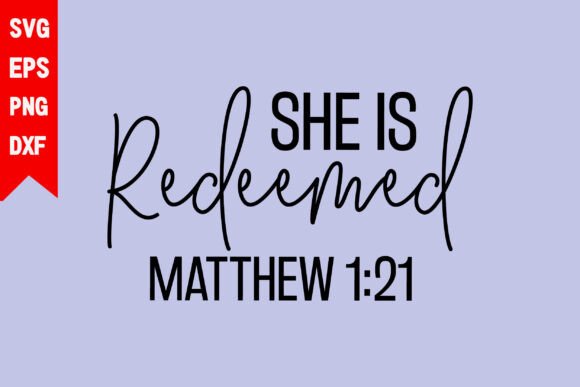
Opening the preview, the phrase “She is Redeemed” paired with the scripture reference Matthew 1:21 creates a distinct mood. It’s declarative and hopeful, carrying a sense of personal affirmation. This isn’t a broad, generic religious graphic; it feels intimate. The layout, presumably combining text with perhaps a floral or symbolic element (based on the category), suggests a design meant for a central, focal point application. It’s a statement piece. For embroidery, this translates to a project where the message is the hero—think a clean, centered placement on a pillow cover for a nursery, or the front panel of an apron for a heartfelt gift. The detail level will be crucial; tiny script or intricate decorative accents need to be evaluated for stitch clarity.
Where This Design Stitches Up Beautifully
In real-life embroidery situations, She is Redeemed Matthew 1 21 naturally belongs to products where meaning and presentation align. I envision it working wonderfully on:
- Custom Apparel: A simplified, clean version could be stunning on the chest of a linen-blend t-shirt or the back of a cozy sweatshirt.
- Home & Gift Items: Embroidered onto a tea towel or the corner of a blanket, it becomes a cherished keepsake. A tote bag with this design stitched on the front pocket would carry both purpose and sentiment.
- Personalized & Boutique Products: For small shop owners and Etsy sellers, this design could anchor a line of “faith-based” or “affirmation” products. It’s gift-ready for weddings, christenings, or holidays, adding perceived value through its handmade, embroidered touch.
- Patches & Nursery Decor: As a standalone embroidered patch, it offers versatility. Applied to a baby’s romper or as part of a nursery pillow, it creates a soft, tactile element that elevates the product beyond a simple print.
The key to engagement here is stitching clarity. When a customer sees a crisp, well-defined satin stitch or a clean fill stitch on a finished product, it builds immediate trust in the craftsmanship. This design, if executed well, can enhance that handmade presentation and brand consistency for a creative entrepreneur.
Navigating the Tricky Terrain: Where to Use Caution
Not every design fits every fabric or hoop. With a design like this, which likely contains text, we must think critically about its application.
- Small Hoop Sizes & Tiny Details: If the design includes fine lettering for “Matthew 1:21,” testing on scrap fabric is essential. On a cap or a baby item’s small curved surface, dense stitch areas or tiny corners might become muddy or break.
- Fabric Choice: Stretchy fabrics like some t-shirts or textured fabrics like towels can distort details. Dark fabric backgrounds require careful thread color contrast planning—a white or light satin stitch might pop, but a complex fill stitch could lose definition.
- Products for Frequent Use: For items like aprons or kitchen towels that see heavy washing, the stitch density and stabilizer choice become paramount to ensure longevity.
This is where the practical designer’s mindset separates a successful project from a frustrating one. The embroidery file itself is just the starting blueprint.
A Real-Use Scenario: Crafting a Custom Embroidered Tote
Let’s walk through a scenario. I’m preparing a custom tote bag for a client’s gift. They’ve chosen She is Redeemed Matthew 1 21. My process starts not with the machine, but with evaluation.
First, I’d examine the digital file’s elements in a black-and-white mockup to judge contrast and layout balance. I’d consider the tote bag’s canvas fabric texture and decide on a sturdy cutaway stabilizer. I’d select thread colors that offer both contrast and a sense of warmth—perhaps a deep rose or a soft gold for accents against a neutral base. I’d test a small section, especially any decorative accents, on a scrap of the same canvas to check for puckering or thread coverage.
In this application, the design’s visual personality—that intimate, declarative mood—translates directly into a product with high perceived value. The client isn’t just buying a bag; they’re buying a beautifully executed, meaningful statement. For an Etsy seller or small business owner, this is the kind of finished product that generates repeat customers and positive reviews.
Essential Designer Notes Before You Stitch or Sell
Based on a purely practical review, here are my core recommendations for using this machine embroidery design:
- Always Test First: Run the design on a scrap of your target fabric. Check stitch density, inspect small details like lettering, and assess thread consumption.
- Consider Backgrounds: Compare how it looks on light and dark fabric backgrounds in your software’s preview. This dictates thread color choices.
- Hoop Size & Placement: Confirm the physical size of the stitched design and ensure your intended hoop size can accommodate it cleanly, especially for curved surfaces like caps.
- Commercial Use Clarification: The product description mentions the design can be used for many purposes. However, as a professional, I advise you to confirm the specific licensing terms before selling finished items or incorporating it into commercial embroidery projects for clients. Does “many purposes” include resale of the physical embroidered product? Clarify this to protect your craft business.
- Pair with Proper Stabilizer: The right stabilizer for your fabric type is non-negotiable for maintaining the design’s clarity and the product’s durability.
She is Redeemed Matthew 1 21 presents itself as a graphics file with strong potential for embroidered goods. Its success, however, hinges entirely on the embroiderer’s practical approach. By treating the digital file as a design asset that requires real-world validation, you can transform it into a professional, engaging, and valuable finished product—whether for a personalized gift, a small shop merchandise line, or your next craft fair standout.