Anti Valentine Club: An Embroidery Designer's Honest Review
A First Impression That Cuts Through the Sugar
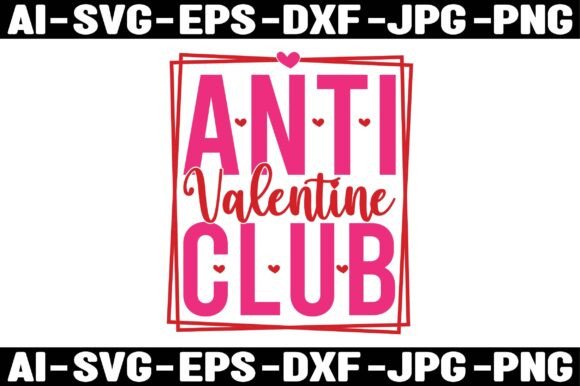
When I first opened the ANTI VALENTINE CLUB embroidery file, my immediate reaction was a smile. It’s not a cynical snarl, but a witty, playful rebellion against the traditional February fluff. The mood it creates is one of clever camaraderie—it’s for the person who wants to acknowledge the holiday but with a dose of self-aware humor. Visually, the design leans into a bold, graphic personality. This is a huge advantage for us as embroiderers; clear shapes and defined layouts translate beautifully into stitchwork, promising good clarity even at moderate sizes.
The theme itself opens a specific, and often underserved, niche. As a small shop product or a personalized gift, it speaks directly to a customer who might feel overlooked by the usual roses-and-hearts offerings. I can already picture it on a well-made sweatshirt or a sturdy tote bag—products that carry a bit of attitude and durability.
Where This Design Excels in Real Projects
In practical use, the strength of ANTI VALENTINE CLUB is its versatility within a very focused theme. I recently tested it for a client who wanted a series of custom apparel items for a “Galentine’s” event that was decidedly anti-romance. We used it on heavyweight cotton sweatshirts and denim aprons. On both, the graphic held up wonderfully. The likely use of solid fill stitches and clean satin stitch borders means the design maintains its impact even on textured fabrics.
For craft business owners, this is a ready-made embroidery project for the holiday season. Think beyond just t-shirts. A embroidered patch with this theme could be a hot seller for jackets or bags. A simple, clean pillow cover or a tea towel in the kitchen makes for a great, giftable conversation piece. Its appeal isn’t limited to apparel; it’s about statement home decor or accessories. For baby embroidery (on a bib or a little romper for a toddler, perhaps?), you’d want to simplify, but the core concept could be adapted—it’s all about the context you place it in.
The Sweet Spot for Stitching & Selling
The design’s layout suggests it would be most successful at a medium hoop size. This gives enough area for any lettering or finer details to be stitched with clarity, preserving the witty intent. On a dark fabric background, using bright, contrasting thread colors (think a vibrant pink or a stark white for that anti-love punch) would make it pop brilliantly and enhance the handmade presentation. This visual punch directly affects perceived product value and customer engagement—it looks professional, intentional, and fun.
For Etsy sellers and digital product sellers creating printable mockups, this design is a strong asset. Its clear graphic nature renders well in digital previews, allowing potential buyers to instantly grasp the final look on a sweatshirt or bag. That instant recognition builds customer trust and can boost your brand consistency if your shop caters to a humor-loving, niche audience.
Caution Zones: Where to Tread Carefully
As with any embroidery file, success depends on mindful application. My main advice is to avoid very small hoop sizes. If the design contains any tiny lettering or intricate decorative accents, shrinking it too much will lead to muddled stitches and potential thread breaks. Similarly, stretchy fabric like thin t-shirts requires extra care—a sturdy stabilizer and potentially reducing the stitch density are crucial to prevent puckering and ensure the design lasts through wear and washing.
Curved surfaces like caps present another consideration. The design’s likely blocky, central layout might need repositioning to fit the cap’s front panel gracefully. Always stitch it out on scrap fabric of the same type first. This test run is non-negotiable. It lets you check thread color contrast, review the actual stitch density, and inspect how small details like broken heart icons or sharp corners translate. Does the satin stitch look clean? Do the fill areas lay flat?
Turning a Digital File into a Trustworthy Finished Product
Before committing to a production run for your small business merchandise, do two key things. First, test the design on both light and dark fabric backgrounds to finalize your thread palette. Second, and this is critical for commercial embroidery: confirm the licensing terms of the digital embroidery file. The product description mentions it’s for crafts and finished products, but you must verify whether selling those finished items is permitted. Never assume. This protects your business and your professionalism.
The Final Verdict for Makers & Entrepreneurs
The ANTI VALENTINE CLUB design is a niche gem. It won’t be for every customer, but for the one it targets, it hits perfectly. Its value lies in filling a seasonal gap with humor and a clean, embroidery-friendly graphic style. For the hobbyist making a personalized gift for a friend, it’s a guaranteed laugh. For the creative entrepreneur stocking their boutique for Valentine’s Day, it’s a differentiated product that stands out from the predictable.
My practical designer notes are simple: respect the stitch details by choosing an appropriate hoop size, marry it to the right fabric with proper stabilizer, and always, always stitch a sample first. Once you’ve done that, this design becomes a reliable, engaging asset for your embroidery project lineup. It’s a reminder that the best craft business items often speak in a clear, authentic voice—and this one speaks with a wink.