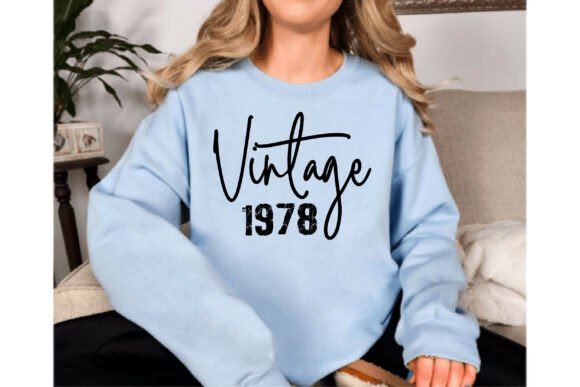
A Designer’s Review of Vintage 1978: A Nostalgic Embroidery File
First Impressions and Fit
Opening the Vintage 1978 embroidery file, the initial mood is clear: nostalgic warmth. This isn’t a loud, aggressive graphic. Its layout and shapes lean into a softer, celebratory personality, suggesting anniversary gifts, personalized heritage pieces, or boutique merchandise that tells a small story. As a craft business asset, it immediately feels like it belongs on items meant to be cherished—a baby’s keepsake blanket, a commemorative pillow cover, or a cozy, well-made sweatshirt for a thoughtful gift.
Where Vintage 1978 Finds Its Perfect Home
In practical use, this design shines on stable, medium-weight fabrics where its details can sit comfortably. Imagine a custom embroidered tote bag for a boutique—the vintage theme adds perceived value and handmade presentation. On a high-quality apron or a classic pillow cover, it becomes a decorative accent that feels intentional and professional. For Etsy sellers and apparel decorators, it’s a strong candidate for holiday gifts or wedding guest favors, where its year-specific charm boosts giftability and recognition.
Navigating Real-World Embroidery Situations
My main consideration for a project like this is stitch clarity on the final product. When planning to use Vintage 1978 on a dark fabric sweatshirt or a textured canvas tote bag, thread color contrast is paramount. A light, crisp thread palette will make the design pop and maintain its visual appeal. On the flip side, stitching it onto a delicate baby item or thin fabric requires extra care—a robust stabilizer and perhaps scaling it to a slightly larger hoop size to prevent distortion in any dense stitch areas.
Areas for Careful Application
This design likely contains details—like small numerical elements or decorative accents—that demand attention. On curved surfaces like caps or layered garments, those tiny lettering sections could become challenging. I would avoid very small hoop sizes where detail might be lost. For products destined for frequent washing, such as kitchen towels or everyday apparel, a thorough test on scrap fabric first is essential to ensure the stitches hold their integrity and the design remains legible, which directly affects customer trust and product longevity.
The Impact on Your Business and Projects
From a small shop product perspective, Vintage 1978 offers strong brand consistency for businesses leaning into retro, heartfelt, or personalized themes. Its use in a commercial embroidery project, like a line of anniversary patches or limited-edition boutique tees, can enhance buyer engagement because it feels specific and curated, not generic. As a digital embroidery file, its value lies in its versatility as a design asset for many finished products, from embroidered patches to custom apparel, allowing creative entrepreneurs to scale its use across different merchandise lines.
Practical Notes from the Hoop
Before running this file on a client’s order, I always perform a few checks. Stitch density should be reviewed; too dense can overwhelm lighter fabrics. Always test the design in both black and white digital mockups and on actual light and dark fabric backgrounds to truly see its behavior. Confirm your machine compatibility and the licensing terms for the file—especially if you plan to sell the finished product or use it in digital product previews for your own shop. This due diligence safeguards your professionalism and the final handmade product’s quality.
Final Thoughts on Real Project Use
Envisioning Vintage 1978 stitched onto a ready-to-sell item, like a holiday-themed tea towel or a personalized nursery decor piece, its success hinges on preparation. It’s a graphic that, when executed well with proper stabilizer and thoughtful thread choices, elevates a simple item into a special one. For makers and hobbyists, it’s a fun project. For small business owners and digital product sellers, it’s a reliable, mood-setting component for a product line that feels authentic and engaging. Its true test is on the fabric, under the needle, and in the hands of a customer who appreciates that touch of curated nostalgia.