A Designer’s Review of the “I’d Give Up Wine” T-Shirt Graphic
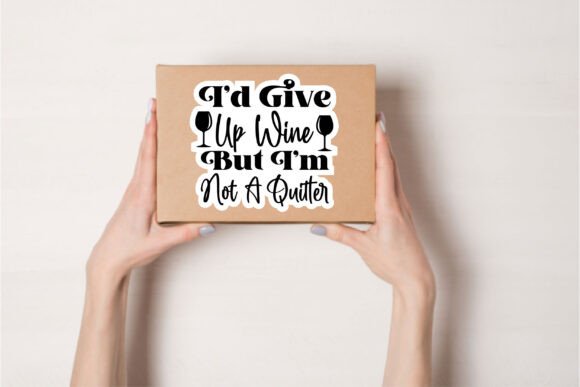
In the middle of a project for a boutique winery’s autumn festival campaign, a client asset lands on your screen: the “I’d Give Up Wine but I’m Not a Quitter” design bundle. Your first impression isn’t just of a witty phrase; it’s of a graphic design asset that immediately telegraphs a mood. This isn’t corporate austerity. It’s relaxed, conversational, and leans into a modern, handmade business aesthetic. The style feels approachable, a blend of casual typography and illustrative warmth that would naturally fit clients centered on community, celebration, or lifestyle products.
The Immediate Mood: Where This Design Asset Finds Its Home
This creative design carries an inherently social, playful energy. It’s perfect for projects that aim to connect rather than simply sell. Imagine a local vineyard’s event invitations, a crafters’ market Etsy shop banner, or a small business branding package for a cozy cafe. The visual elements suggest a friendly, personal touch, moving away from sterile minimalism toward something more engaging and human. It’s a digital product that, when applied thoughtfully, can make a brand feel like a companion rather than a corporation.
Putting It to Work: Real-World Design Applications
So, how does “I’d Give Up Wine but I’m Not a Quitter” perform when you move from concept to execution? Its strengths shine in several key areas. For logo design or brand identity for a niche beverage brand, it could serve as a charming secondary mark or campaign logo. In packaging design, imagine it as a delightful accent on a wine bag tag or gift box label. For merchandise—the core t-shirt design, obviously—but also extending to mugs, tote bags, and sticker design, it’s a ready-made hero graphic.
In marketing visuals, it can anchor social media graphics for Instagram posts or Pinterest pins celebrating “Wine Wednesday.” As a printable design, it could become wall art for a tasting room or a digital download offered on a blog. For editorial design in a small newsletter or web design on a product landing page, it injects personality. If provided as an SVG design, its editability makes it invaluable for Cricut projects creating custom decals or integrating into Canva templates for the client’s own quick edits.
Optimal Layouts: Where This Graphic Thrives
This illustration works best given space to breathe. Use it in large layout areas: as a focal point on a poster or flyer, a bold graphic on a product mockup, or a standalone decorative accent on a website hero section. It’s ideal for building themed collections—a series of campaign visuals around harvest season, for instance. Think of it as a central motif for packaging details on a limited-edition release or as the primary visual on printable designs for event tickets.
Its character supports a cohesive look across a suite of assets. In these applications, it boosts emotional appeal and audience engagement by feeling authentic and specific to the theme.
Considerations for Careful Application
However, a professional designer’s review must also note where to apply caution. The playful, potentially intricate details of this asset may suffer in small sizes. Avoid cramming it into crowded layouts or on complex backgrounds where the visual hierarchy gets muddled. For projects demanding ultra-clean, minimalist branding or for professional corporate materials like formal reports, this style would likely clash, undermining visual trust and perceived professionalism.
Low-contrast designs could also diminish its impact. It’s crucial to test the asset’s readability against the project’s overall brand consistency. While it enhances recognition in a casual setting, it might distract in a context that requires serene authority.
The Practical Designer’s Checklist Before Client Use
Before committing this graphic to a real client project, run it through a few essential tests. First, check its performance in black and white to ensure it holds up without color dependency. Test contrast on both light and dark backgrounds—a PNG design with transparency, if included, is particularly useful here.
Preview it at both small and large sizes to confirm detail retention. Place it on real mockups: a t-shirt, a mug, a web banner. If commercial use involves print, test print quality; vector files like SVG are superior here. Review all file formats in the .zip download for compatibility with your software and the client’s needs.
Assess how it pairs with other typography. Compare it alongside a serif font for classic contrast, a sans serif for modern cleanlines, or a script font for added elegance. This helps integrate it into a broader design system. Finally, and most critically, confirm the commercial license. For any Etsy product, print-on-demand line, or commercial design asset, unambiguous licensing is the foundation of ethical and legal use.
Final Impression: A Polished Asset for Targeted Projects
The “I’d Give Up Wine but I’m Not a Quitter” graphics bundle, as a digital download of versatile design assets, isn’t a universal tool. It’s a specialized one. For the right client—a small business in the food, beverage, hospitality, or crafting space—it can significantly improve the visual mood and lend a polished, cohesive feel to a campaign. It provides a ready-made creative shortcut that feels designed, not just downloaded. When used with the considered judgment outlined here, it transitions from a simple clipart file to a legitimate component of effective, engaging creative marketplace design.