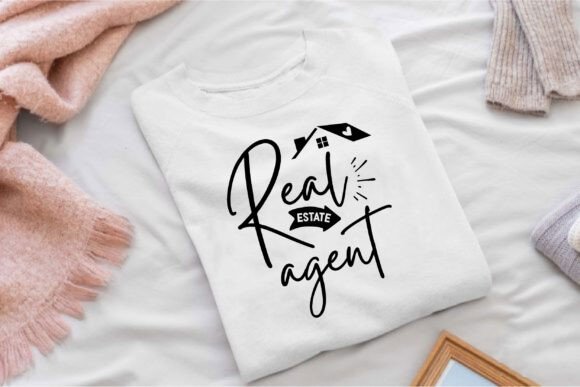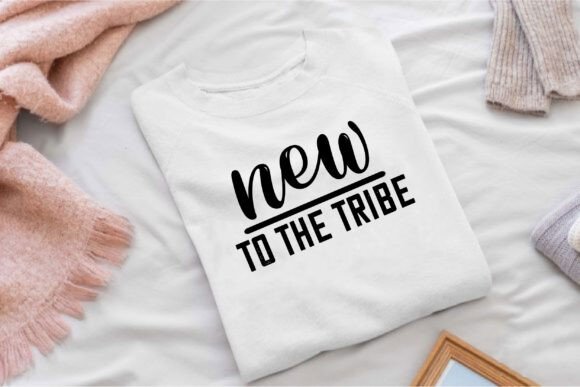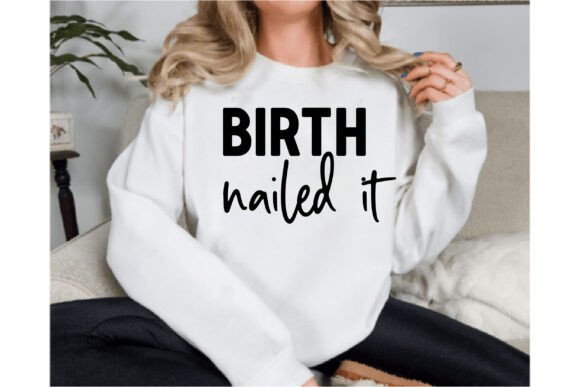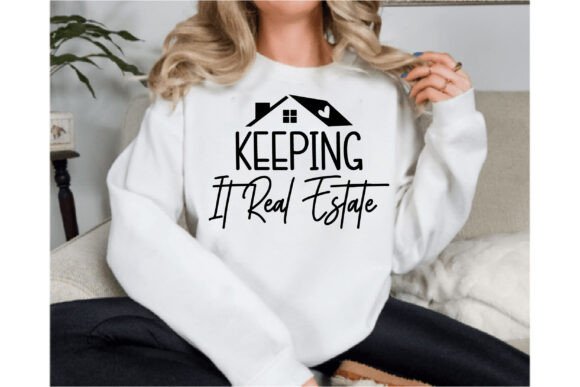
Keeping It Real Estate Graphics for T-Shirt Designs & Beyond
A First Impression: Authenticity Wrapped in Decorative Charm
When I first unzipped the Keeping It Real Estate digital download, my immediate thought was of a boutique, handmade brand. This isn’t a sleek, minimalist corporate asset. It’s a graphic design asset that evokes warmth, personality, and a touch of rustic elegance. The visual mood is decidedly authentic—it feels crafted, not mass-produced. This style naturally fits clients who value a handmade business aesthetic: an Etsy shop selling artisan goods, a small local bakery’s product line, or a realtor with a community-focused, personal brand. For a designer preparing a visual concept, it signals a departure from cold professionalism toward approachable charm.
Putting It to Work: From Mockups to Merchandise
In a real client project, say a launch for a small pottery studio’s seasonal collection, Keeping It Real Estate becomes a versatile starting point. I’d consider it for more than just its named category of T-Shirt Designs. The decorative elements could anchor brand identity, appearing subtly on product labels and packaging design. The more ornate pieces could serve as a hero graphic for a poster or website graphics, setting the tone for the entire campaign. For social media graphics, particularly Instagram posts and Pinterest pins, these assets provide ready-made decorative frames or accents that elevate simple product photos. As a printable design, it easily translates to sticker designs, tote bags, or printable wall art for a studio’s retail space.
Where This Design Bundle Excels
This asset shines in large layout areas. Use it as a bold background texture in a product mockup or as the central decorative element in a flyer or invitation. Its detailed nature makes it perfect for themed collections where cohesion is key—think a series of digital ads for a fall market. It also works beautifully as a supporting brand element, paired with a simpler logo to add visual interest to merchandise like mugs or t-shirt design. For Cricut projects or sublimation design, the provided file formats (assuming SVG or high-res PNG) are crucial for clean cuts and prints.
Handling With Care: Contexts That Demand Caution
Its intricate details require thoughtful application. In small sizes—like a tiny footer on a website or a small icon on a business card—the design can become muddy and lose impact. Avoid crowded layouts where it might compete with critical text or other imagery. Placing it on a complex background can destroy visual hierarchy. For projects demanding minimalist branding or professional corporate materials, like a financial report or a tech startup’s pitch deck, this asset would likely feel out of place. Its strength is emotional appeal, not austere clarity.
The Designer’s Impact: Brand Feel & Audience Connection
Integrating Keeping It Real Estate into a project directly affects brand consistency and visual trust. It creates an immediate sense of niche recognition; customers encountering it across packaging details, blog visuals, and social media graphics will feel a cohesive, intentional brand story. This boosts audience engagement by making the brand feel tangible and cared-for. However, the overall impression leans toward creative and artisan. It elevates professionalism within that specific aesthetic sphere but wouldn’t convey the same authority in a more traditional, corporate context.
Practical Designer Notes Before Client Use
Before committing this asset to a paid client project, a few checks are essential. First, always test it in black and white to see if the core form holds without color. Check contrast on light and dark backgrounds—some ornate details may vanish on a similarly busy or dark base. Preview it at small and large sizes in your actual layout software. Crucially, place it on real mockups of the final product, whether it’s a t-shirt, a Canva template, or a product label. If print is involved, test print quality at the intended scale.
Review the file formats included in the .zip file. For scalable use in editorial design or web design, vector files (SVG) are ideal. For quick digital use, confirm the PNG transparency is clean. Compare the asset’s style with your chosen typography. Does it harmonize with a clean sans serif font for balance, or does it clash? Often, these decorative assets pair well with a simple script font or a sturdy display font for headlines.
The final, non-design step is paramount: confirm commercial licensing before any business use. As the description states, this is a digital product for many purposes, but ensuring your commercial design use is covered protects you and your client. Only then can this creative marketplace asset become a reliable part of your design assets toolkit for print-on-demand, marketing visuals, and building that polished, authentic final result.